How to Apply for Universal Credit as a Self-Employed Person
Published: 18 Jan 2026
Introduction
Do you work for yourself in the UK?
Do you run a small business?
Do you earn different money every month?
Do you worry about rent and bills?
How to Apply for Universal Credit as a Self-Employed Person
If yes, this guide is for you.
Many self-employed people face money problems.
Some months bring good income.
Some months bring low income.
Bills stay the same every month.
Rent stays the same every month.
Food costs money every day.

Universal Credit helps people who earn less.
It supports self-employed workers.
It helps with rent, food, and daily needs.
This guide explains everything step by step.
It uses simple words.
It gives real examples.
It helps you apply with confidence.
Let us start.
What Is Universal Credit?
Universal Credit is a monthly payment from the UK government.
It helps people who have low income.
It replaces many old benefits.
Universal Credit supports:
- Rent
- Food
- Electricity
- Gas
- Children
- Health needs
You get one payment every month.
The money goes into your bank account.
You must report your income every month.
Your payment changes based on your earnings.
Who Is a Self-Employed Person?
You are self-employed if:
- You work for yourself
- You run your own business
- You sell services
- You sell products
- You pay your own tax
Examples:
- Taxi driver
- Food delivery rider
- Plumber
- Electrician
- Online seller
- Freelancer
- YouTuber
- Mechanic
- Cleaner
- Barber
- Tailor
- Shop owner
If you send your own tax return, you are self-employed.
Can Self-Employed People Apply for Universal Credit?
Yes.
Self-employed people can apply.
You must meet the rules.
You must:
- Live in the UK
- Be 18 or older
- Have low income
- Have savings under £16,000
- Work or want to work
Universal Credit supports workers.
It helps during slow months.
Why Universal Credit Is Important for Self-Employed People
Self-employed income changes every month.
Bills do not change.
Rent stays the same.
Food costs money every day.
Electricity costs money every month.
Universal Credit:
- Gives monthly support
- Helps pay rent
- Helps buy food
- Helps raise children
- Helps during business growth
It gives peace of mind.
Real-Life Example
Ahmed runs a mobile phone repair shop.
He earns £1,500 in summer.
He earns £700 in winter.
His rent is £650.
His bills are £300.
His food cost is £250.
Winter becomes hard.
Universal Credit helps Ahmed pay rent and food.
He keeps his business running.
He stays focused on growth.
Who Can Apply for Universal Credit?
You can apply if:
- You live in the UK
- You are 18 or older
- You have low income
- You have low savings
- You work or want to work
Savings Rules
Savings affect your payment.
- Under £6,000 → no problem
- £6,000 to £16,000 → payment reduces
- Over £16,000 → no Universal Credit
Savings include:
- Bank money
- Cash
- Investments
Your home does not count.
What You Need Before You Apply
Prepare these items:
- Email address
- Phone number
- Bank account
- National Insurance number
- Passport or ID card
- Address proof
- Business proof
Business Proof Examples
- Invoices
- Receipts
- Bank statements
- Client messages
- Tax registration
- Website link
- Social media page
Step-by-Step Guide to Apply for Universal Credit
Step 1: Create an Online Account
Go to the Universal Credit website.
Click on “Apply”.
Create your account using:
- Password
- Security questions
Save your login details.
Step 2: Fill the Application Form
You must enter:
- Name
- Date of birth
- Address
- Phone number
- Work details
- Income details
- Rent details
- Savings details
Answer honestly.
Check before submitting.
Step 3: Book Jobcentre Appointment
After the form, book an appointment.
Choose:
- Date
- Time
- Location
This meeting confirms your identity.
Step 4: Attend Jobcentre Interview
Bring these documents:
- ID
- Bank statement
- Business proof
- Rent agreement
They ask about:
- Your business
- Your income
- Your work hours
Answer clearly.
Step 5: Accept Claimant Commitment
This is your work agreement.
It shows:
- Your work goals
- Your work hours
- Your duties
You must follow it.
What Is Claimant Commitment?
This is your work plan.
It explains:
- How many hours you work
- What jobs you do
- How you grow your business
You must update it when things change.
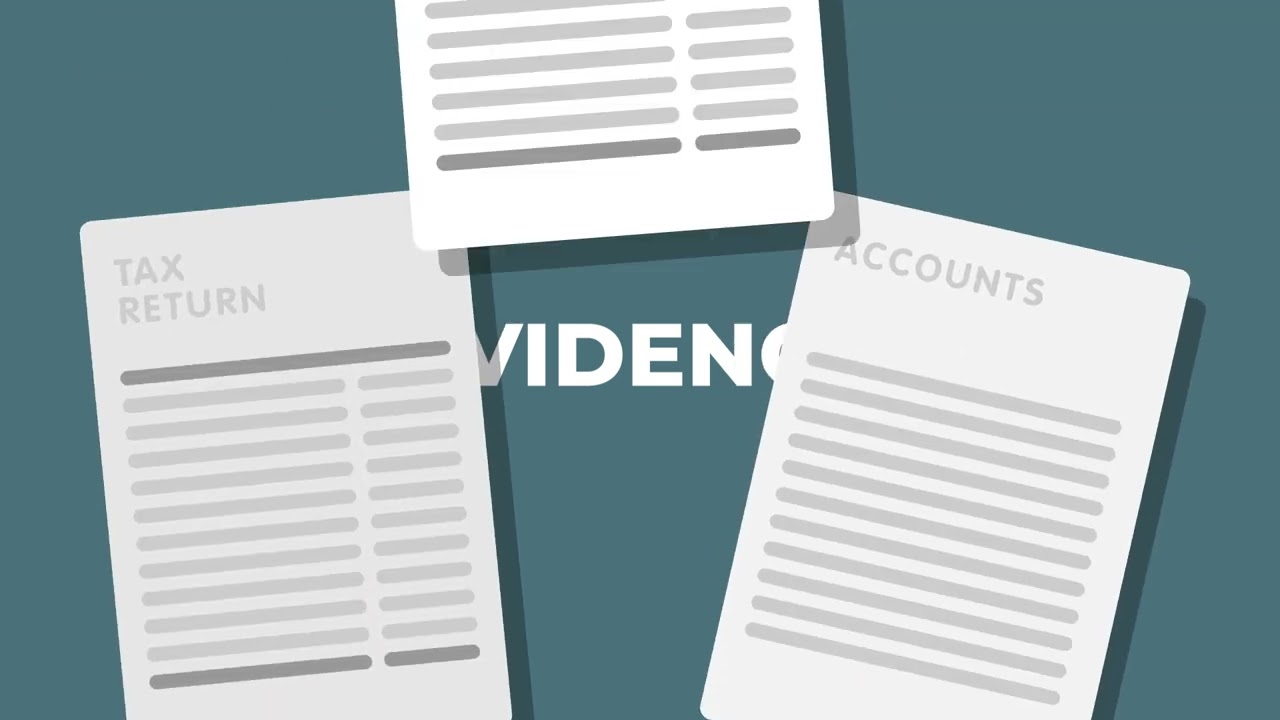
How to Prove You Are Self-Employed
You must show:
- Invoices
- Receipts
- Client details
- Bank records
- Business website
- Tax registration
This proves your business is real.
Example Proof
Zain is a freelance designer.
He shows:
- Client invoices
- PayPal payments
- Portfolio website
- Email messages
Jobcentre accepts his proof.
What Happens After You Apply?
After interview:
- They check your details
- They approve your claim
- You wait for first payment
First payment takes around five weeks.
Can You Get Advance Payment?
Yes.
If you need money fast,
you can request advance payment.
They deduct it from future payments.
Monthly Payment System
Universal Credit pays monthly.
Each month:
- You report income
- They calculate payment
- They send money
Payment date stays the same.
How to Report Your Monthly Income
You must report every month.
You report:
- Income
- Expenses
- Profit
You report on your online account.
What Is Profit?
Profit = Income – Business expenses
Example:
Income = £1,200
Expenses = £400
Profit = £800
They use profit to calculate payment.
Business Expenses You Can Claim
You can deduct:
- Office rent
- Phone bill
- Internet
- Fuel
- Tools
- Equipment
- Advertising
- Website cost
- Packaging
- Delivery
This lowers profit.
Lower profit means more support.
Minimum Income Floor
The government expects you to earn a set amount.
This is called the Minimum Income Floor.
It is based on:
- Minimum wage
- Your work hours
If you earn less,
they still use the higher amount.
Example
Usman works 35 hours per week.
Minimum wage = £11 per hour.
Expected income = £1,540 per month.
If Usman earns £900,
Universal Credit counts £1,540.
His payment becomes lower.
Start-Up Period
New businesses get support.
First 12 months:
- No Minimum Income Floor
- Real income counts
- Full support
This helps business grow.
Example
Sara starts a cake business.
She earns £600 per month.
During first year:
- No Minimum Income Floor
- She gets support
Her business grows safely.
How Much Universal Credit Can You Get?
Payment depends on:
- Age
- Income
- Rent
- Children
- Health
Basic Allowance
Single under 25 → about £311
Single over 25 → about £393
Couple under 25 → about £489
Couple over 25 → about £617
Extra Payments
You may get extra for:
- Children
- Rent
- Disability
- Caring
Example Payment
Ali is 30 years old.
He has two children.
He rents a flat.
He earns £900 per month.
He gets:
- Basic allowance
- Child support
- Housing support
Housing Support
Universal Credit helps with rent.
Money goes to:
- You
- Or your landlord
This prevents eviction.
Child Support
You get money for each child.
This helps with:
- Food
- School
- Clothes
Disability Support
If you have health problems,
you may get extra money.
Caring Support
If you care for someone,
you may get extra support
Common Mistakes to Avoid
- Late reporting
- Missing documents
- Wrong income details
- Skipping meetings
- Not updating journal
How to Avoid Problems
- Report early
- Keep records
- Save receipts
- Attend all meetings
- Update journal
Record Keeping Tips
Keep:
- Daily sales
- Receipts
- Invoices
- Bills
Use:
- Notebook
- Excel
- Phone app
1 “Every small business starts with a big dream.”2 “Hard work today builds a better tomorrow.”3 “Slow months do not stop strong people.”4 “Your business is your power. Never give up.”5 “Support helps you stand strong in hard times.”M Amir
Monthly Reporting Tips
- Report on time
- Double check numbers
- Save screenshots
- Keep proof
Budgeting Tips
- Save in good months
- Plan for slow months
- Cut extra costs
- Track spending
Business Growth Tips
- Advertise online
- Improve service
- Ask for reviews
- Offer deals
- Build trust
Real Case Study
Hassan runs a car wash.
He earns:
- £1,600 in summer
- £800 in winter
Universal Credit supports him in winter.
He keeps working.
He grows his business.
Can You Work Full Time and Apply?
Yes.
Universal Credit supports workers.
It helps when income is low.
Can You Apply with Savings?
Yes, if savings are under £16,000.
Can Couples Apply?
Yes.
You apply as a couple.
Both incomes count.
Can You Run Business and Get Support?
Yes.
Universal Credit supports business owners.
Frequently Asked Questions
Can I apply if my business is new?
Yes. You get a 12-month start-up period.
Can I apply with savings?
Yes, under £16,000.
Can I work full time and apply?
Yes, if income is low.
How long does approval take?
About five weeks.
Do I need to close my business?
No. You can keep working.
Can I get help to apply?
Yes. Jobcentre and Citizens Advice help for free.
Yes. A self-employed person can apply if income is low.
Final Tips for Success
- Be honest
- Report on time
- Keep records
- Ask for help
- Follow your plan
Conclusion
Universal Credit supports self-employed people in the UK.
It helps during slow months.
It supports families.
It supports business growth.
It gives stability.
It gives support.
It gives peace of mind.
If you work hard and earn less,
help is available.
Do not struggle alone.
Apply with confidence.
Build your future.






- Be Respectful
- Stay Relevant
- Stay Positive
- True Feedback
- Encourage Discussion
- Avoid Spamming
- No Fake News
- Don't Copy-Paste
- No Personal Attacks
- Be Respectful
- Stay Relevant
- Stay Positive
- True Feedback
- Encourage Discussion
- Avoid Spamming
- No Fake News
- Don't Copy-Paste
- No Personal Attacks
